How to Set Up a Sensory Room on a Budget
Why Every Neurodivergent Person Deserves a Sensory Space
A sensory room (or even a sensory corner) provides a dedicated space for regulation, decompression, and recovery from sensory overload. You don’t need a whole room or a big budget — our community has proven that effective sensory spaces can be created for under $150.
The Essential Setup (Under $150)
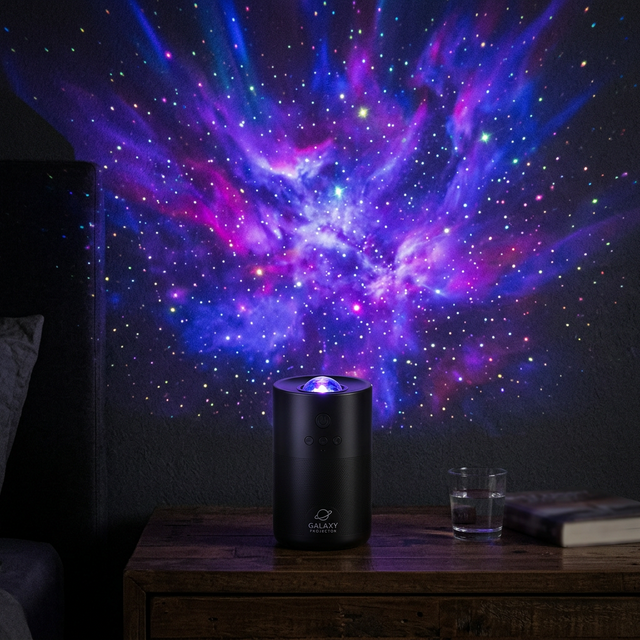
1. Galaxy Star Projector — $39.99
The centerpiece of most community-recommended sensory rooms. Set to warm colors and slow speed for calming visual stimulation.
Community tip: “My sensory room is basically just this projector and a weighted blanket. It’s all I need to decompress after a hard day.” — r/AutisticAdults
2. Weighted Blanket — $59.99
The foundation of physical comfort. A 15 lb glass bead weighted blanket provides deep pressure stimulation that activates the parasympathetic nervous system.
3. Liquid Motion Bubblers — $18.99
Place these within reach for visual stimming. The slow, predictable movement is deeply calming and requires no batteries or maintenance.
4. Spiky Roller Balls — $9.99
Tactile input for hands and feet. Keep these nearby for when you need grounding sensory input.
Total: ~$129
Setting Up Your Space
Location Tips
- Choose a quiet corner away from high-traffic areas
- Ensure the space can be dimmed (blackout curtains help)
- If a full room isn’t available, a closet or corner works great
- Some community members use a pop-up tent for enclosed safety
Layout Guide
- Floor: Soft mat or rug (existing blanket works)
- Visual: Galaxy projector aimed at ceiling or wall
- Weight: Weighted blanket draped over a beanbag or cushion pile
- Reach: Fidgets and bubblers within arm’s reach
- Sound: White noise machine or phone with nature sounds
Important Rules
- This space is always available — never use it as punishment
- Let the person control the environment (lights, sounds, duration)
- Keep it clutter-free — a calm space should feel predictable
- No screens in the sensory space (phones are okay for music/sounds)
Upgrading Over Time
Once you have the basics, the community recommends adding:
- Noise-canceling headphones for complete sound isolation
- Compression vest for portable deep pressure during the day
- Sand timer set for regulating time in the space
- Weighted lap pad for seated work after decompression
For Kids vs. Adults
Kids’ sensory rooms benefit from:
- Body sock for proprioceptive play
- More tactile variety (different textures)
- Visual schedule posted at entrance
Adult sensory rooms benefit from:
- More emphasis on quiet and low stimulation
- Comfortable seating (not just floor)
- Aromatherapy options (if not smell-sensitive)
The Community’s Key Insight
The most effective sensory rooms aren’t the most expensive ones — they’re the ones that are consistently accessible and personalized to the individual’s sensory profile. Start small, observe what helps, and build from there.
Was this article helpful?
📦 Products Mentioned in This Post


Actually Autistic Picks Team
Neurodivergent product researcher and community curator. Passionate about finding products that genuinely help autistic and ADHD individuals live better.